
10 Restaurant Management Problems a Modern POS System Can Solve
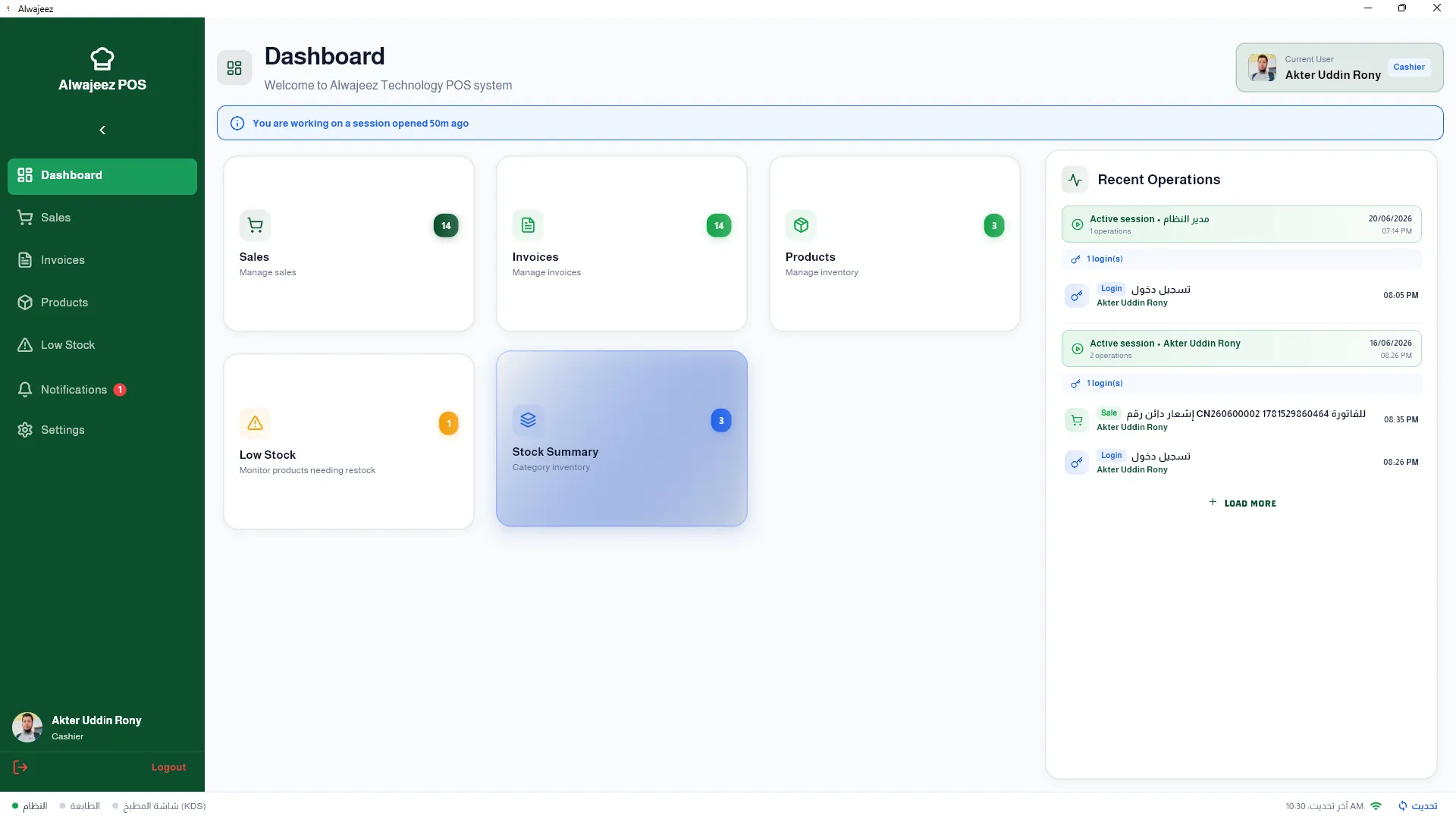
A modern POS system improves restaurant operations by automating order tracking, eliminating cashier calculation errors, providing real-time inventory alerts, speeding up checkout, generating instant financial reports, ensuring tax compliance, streamlining kitchen communication, managing staff shifts, and maintaining service during internet outages. ALZERP addresses all 10 of these critical pain points.
Restaurant management software has become the dividing line between restaurants that thrive and those that barely survive. In Saudi Arabia's booming food service industry—valued at over SAR 200 billion and projected to grow 8% annually through Vision 2030—owners face relentless operational challenges that eat into margins and destroy customer loyalty. From Riyadh's bustling Al Olaya district to Jeddah's waterfront cafés and Dammam's family dining scene, the same ten problems appear again and again.
The difference? Modern restaurant POS software like ALZERP (Alwajeez POS) eliminates every single one of them. In this comprehensive guide, we break down 10 critical restaurant management problems and show you exactly how a purpose-built POS system solves each one—with real operational examples from the Saudi market.
Problem #1: Lost and Misheard Orders
Every restaurant owner has experienced the sinking feeling: a customer has been waiting 30 minutes for a dish that was never sent to the kitchen. Handwritten order pads are the root cause. A waiter scribbles "kabsa special, no onion" during a Friday rush, but the kitchen reads "kabsa, extra onion." The customer sends it back. You've wasted ingredients, time, and trust.
In high-volume restaurants across Riyadh and Jeddah, studies show that up to 15% of handwritten orders contain errors—wrong items, missing modifications, or illegible notes that force kitchen staff to guess. Each error costs an average of SAR 35-50 in wasted food and labor, and the invisible cost of a frustrated customer who doesn't return is far higher.
How ALZERP solves it: ALZERP's digital restaurant sales screen replaces paper entirely. Waitstaff select items from a visual menu with predefined modifiers (no onion, extra spicy, half portion). Every order is logged digitally, timestamped, and sent directly to the kitchen printer. There's no handwriting to misread, no slip to lose between counter and kitchen. The open orders system tracks every active order in real time, so nothing falls through the cracks.
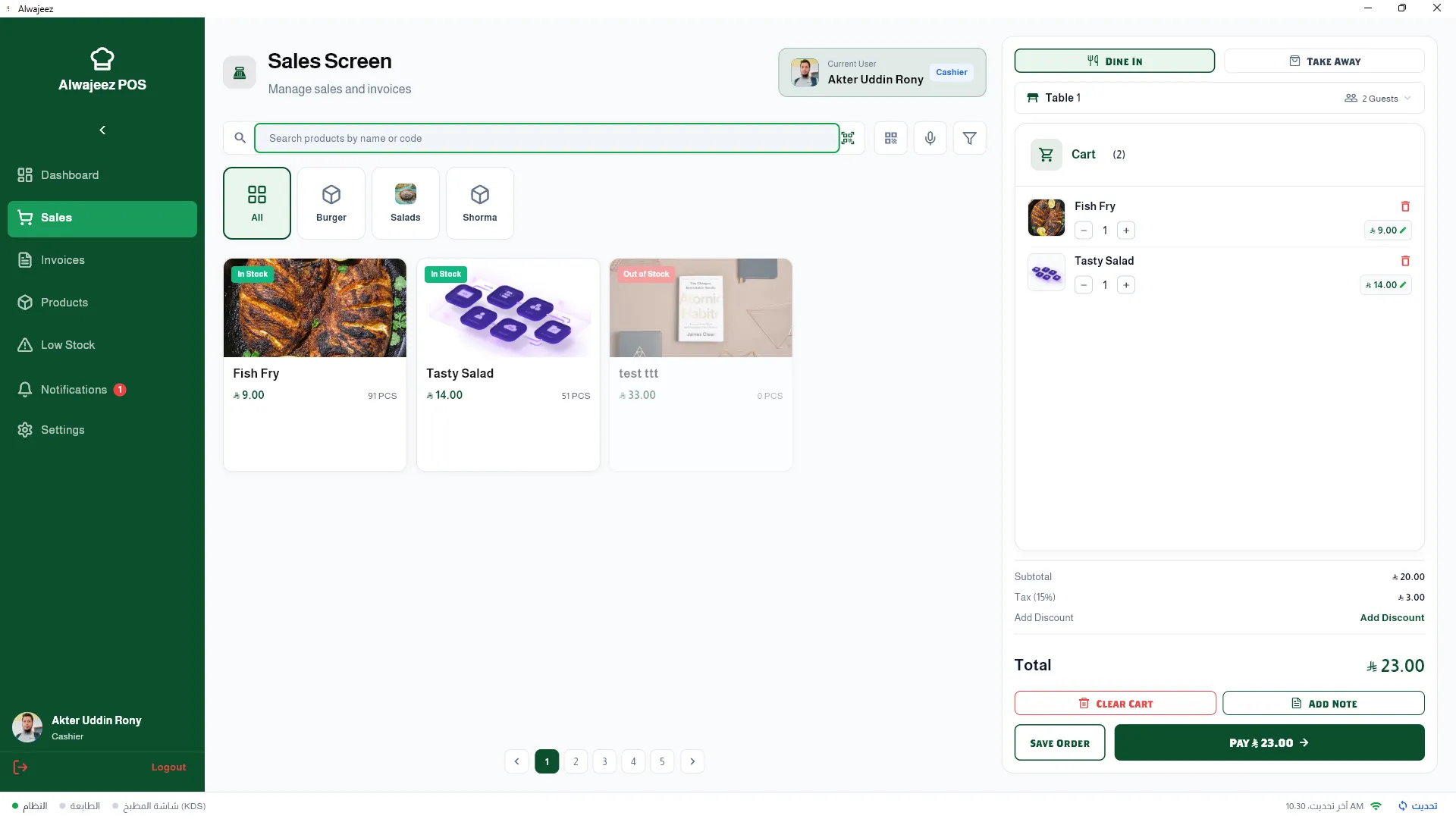
Figure 1: Digital order management eliminates lost and misheard orders
Problem #2: Cashier Calculation Errors
A cashier manually calculating a table of six with split bills, combo discounts, and 15% VAT is a recipe for errors. One wrong digit and you've either overcharged the customer (creating a complaint) or undercharged them (losing revenue). Multiply this across hundreds of daily transactions in a busy Dammam shawarma shop or a Riyadh fine-dining establishment, and the cumulative loss is staggering.
Research from POS industry analysts reveals that manual cashier errors cost restaurants 1-3% of total revenue. For a restaurant doing SAR 50,000 in monthly sales, that's SAR 500-1,500 vanishing every month—SAR 6,000-18,000 per year—simply because a human being pressed the wrong button or miscalculated change.
How ALZERP solves it: ALZERP automatically calculates totals, applies discounts by percentage or fixed amount, computes VAT at 15%, and handles split payments. The system pre-calculates change for cash transactions. Every calculation is mathematically precise, every time. Staff don't need to be math experts—they just tap items and the system does the rest.

Figure 2: Automated sales tracking removes human calculation errors
Problem #3: Inventory Waste and Shrinkage
Walk into the walk-in cooler of a struggling restaurant and you'll find the evidence: expired chicken, wilted lettuce, and a SAR 2,000 pile of ingredients that nobody realized were running low until it was too late—then over-ordered. Food cost is the second-largest expense for any restaurant (after labor), and Saudi restaurants waste an estimated 30-40% of purchased food according to the Saudi Grains Organization.
Without real-time inventory tracking, managers rely on weekly manual counts. By the time they discover a shortage, they've either run out of a popular menu item (losing sales) or panic-ordered too much (creating waste). Shrinkage from employee theft or vendor discrepancies goes completely undetected.
How ALZERP solves it: ALZERP's inventory module automatically deducts ingredients with every sale. When stock drops below your defined minimum, the system generates a low-stock alert. You always know what you have, what you need, and what's moving slowly. The warehouse management feature tracks every item from receiving to consumption, making shrinkage visible and accountable.
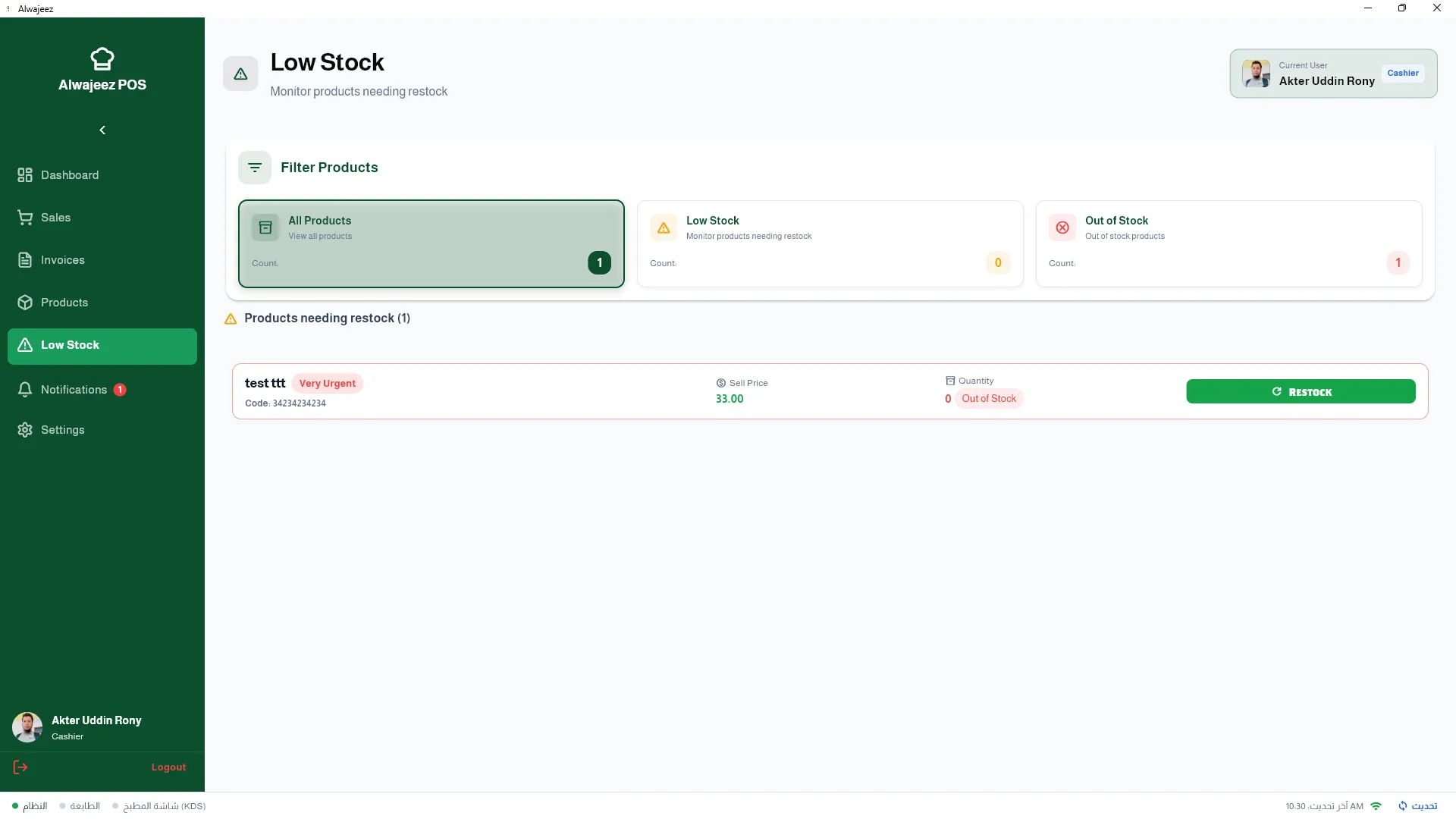
Figure 3: Real-time low stock alerts prevent ingredient waste
Problem #4: Slow Checkout During Rush Hours
Lunch rush in a Riyadh business district restaurant: the queue stretches to the door, customers are checking their watches, and the single cashier is fumbling through a paper menu trying to ring up a complicated order. Every additional minute in the checkout line increases the chance a customer walks out. In fast-casual and QSR environments, a 30-second reduction in checkout time can increase throughput by 15-20%.
Slow checkout isn't just an inconvenience—it's lost revenue. If your average transaction is SAR 45 and you lose just 10 customers per day to long waits, that's SAR 450 daily or SAR 13,500 per month in lost sales.
How ALZERP solves it: ALZERP's restaurant POS interface is designed for speed. Category-based product grids, quick-search functionality, and one-tap item addition mean a skilled cashier can process a five-item order in under 15 seconds. Table management for dine-in restaurants lets servers fire orders to the kitchen from the POS instantly, while takeaway orders flow through a streamlined quick-sale workflow. The result: faster lines, more customers served, higher revenue per hour.
Problem #5: No Financial Visibility
Ask most small restaurant owners in Saudi Arabia how much profit they made last Tuesday, and they'll give you a blank stare. They know roughly how much cash was in the register at closing, but the actual breakdown—food cost versus labor versus overhead, which menu items are profitable, which are losing money—is a mystery until the accountant visits at month's end.
This delayed visibility is lethal. A menu item might have a 10% food cost increase due to supplier price hikes, but without daily tracking, you won't catch it for weeks. By then, you've served 2,000 portions at a loss. Restaurants that track financials daily are 23% more likely to be profitable after their first year compared to those relying on monthly accounting.
How ALZERP solves it: ALZERP's built-in analytics dashboard gives you real-time financial visibility. Daily revenue, transaction counts, average order value, payment method breakdowns, and product-level profitability are all available at a glance. Because ALZERP includes full accounting modules—general ledger, accounts payable, accounts receivable—your financial picture is always current, not 30 days old.
Figure 4: Instant financial visibility with daily revenue and profit tracking
Problem #6: Tax Compliance Nightmares
Since ZATCA (Zakat, Tax and Customs Authority) introduced mandatory electronic invoicing regulations, Saudi restaurants face a new operational burden. Phase 1 requires every invoice to include a TLV-encoded QR code with seller information, VAT registration number, timestamp, and tax amounts. Non-compliance penalties start at SAR 5,000 and can reach SAR 50,000 for repeated violations.
Restaurants using generic cash registers or handwritten receipts simply cannot meet these requirements. Even those using basic POS systems often discover their software doesn't generate the correct QR code format, leading to failed ZATCA audits and panic-mode scrambles to update systems.
How ALZERP solves it: ALZERP is fully ZATCA Phase 1 compliant out of the box. Every invoice automatically generates a TLV Base64 QR code containing all required fields. Credit notes and debit notes follow ZATCA specifications precisely. There's no additional setup, no third-party plugins, no monthly compliance fees. Print a receipt, and it's automatically compliant.
📄 Download Sample Documents (PDF)
See how ALZERP's automated document generation solves Problem #6 (Tax Compliance).
Problem #7: Kitchen Miscommunication
The front-of-house takes the order. The kitchen prepares it. Between these two steps lies a communication gap that ruins more meals than bad cooking ever could. In a busy Jeddah restaurant during Ramadan iftar rush, verbal order relay is chaos: waiters shouting over each other, the grill cook missing a "well done" instruction, the cold station preparing a salad that was cancelled five minutes ago.
Kitchen miscommunication causes an average of 8-12% of all prepared dishes to be remade or discarded in high-volume restaurants. That's not just food waste—it's delayed service for every other table, frustrated kitchen staff, and a negative dining experience that spreads through social media reviews.
How ALZERP solves it: ALZERP's kitchen ticket printing system sends clear, formatted tickets directly to the kitchen printer the moment an order is confirmed. Each ticket shows the table number, item names, quantities, modifications, and special instructions in legible printed text—no handwriting interpretation required. When orders are modified or cancelled, updated tickets are printed immediately, so the kitchen always works from the latest information.
Problem #8: Untracked Staff Shifts
Who opened the register this morning? Which cashier was on duty when that SAR 200 void was processed? How many hours did your weekend staff actually work? Without a systematic tracking method, these questions remain unanswered—and unanswered questions in restaurant management always cost money.
Employee time theft is a documented problem in the restaurant industry worldwide. Staff clocking in early, clocking out late, or having colleagues punch in for them costs restaurants an estimated 5-7% of gross payroll. In Saudi Arabia, where labor regulations under the Nitaqat program require precise employment records, untracked shifts can also create compliance risks during Ministry of Human Resources inspections.
How ALZERP solves it: ALZERP's PIN-based login system records exactly who accesses the system and when. Every login, logout, sale, void, and discount is tied to a specific user with a timestamp. The user activity log provides a complete audit trail, making shift handovers transparent and accountability automatic. Combined with ALZERP's HR and payroll modules, you get end-to-end workforce management.

Figure 5: Complete staff activity audit trail for shift management
Problem #9: Manual Reporting and Bookkeeping
Picture this: it's 11 PM, the restaurant just closed, and the manager sits down with a calculator, a stack of receipts, and a notebook to reconcile the day's sales. This nightly ritual takes 30-45 minutes and is error-prone. At month's end, these daily summaries are handed to an external accountant who enters them into a separate system, introducing another layer of potential errors and a 2-4 week delay before financial statements are ready.
This manual chain—POS to paper to accountant to spreadsheet—is the operational equivalent of sending a letter by carrier pigeon in the age of email. Manual bookkeeping errors affect 1 in 4 small restaurants, leading to incorrect tax filings, missed expense deductions, and poor financial decisions based on inaccurate data.
How ALZERP solves it: Because ALZERP is a full ERP system, not just a cash register, every sale automatically generates accounting entries. Revenue, VAT collected, discounts, and payment methods are recorded in the general ledger in real time. End-of-day reports are generated with one click. Monthly P&L statements, balance sheets, and tax summaries are always current. Your accountant gets clean, organized data—or you may find you need the accountant less than you thought.
Problem #10: Internet Outages Halting Operations
Cloud-based POS systems have a critical vulnerability: when the internet goes down, so does your restaurant. During Riyadh's summer storms, Jeddah's occasional network disruptions, or simply when your ISP has an outage, a cloud-dependent POS becomes an expensive paperweight. Your staff can't process orders, can't print receipts, and can't access the menu—during what might be your busiest hour.
Internet reliability in Saudi Arabia has improved dramatically, but no connection is 100% guaranteed. Even a 30-minute outage during Friday lunch rush can cost a mid-sized restaurant SAR 3,000-5,000 in lost sales and customer walkouts. For restaurants in newer commercial areas or industrial zones, connectivity can be particularly unpredictable.
How ALZERP solves it: ALZERP operates 100% offline. Built on a local SQLite database running on Windows 10/11, every feature—ordering, printing, inventory, reporting, accounting—works without any internet connection whatsoever. Your restaurant never stops because of a network issue. When you do have connectivity, the optional cloud sync (SAR 500/year) backs up your data, but it's never required for daily operations.
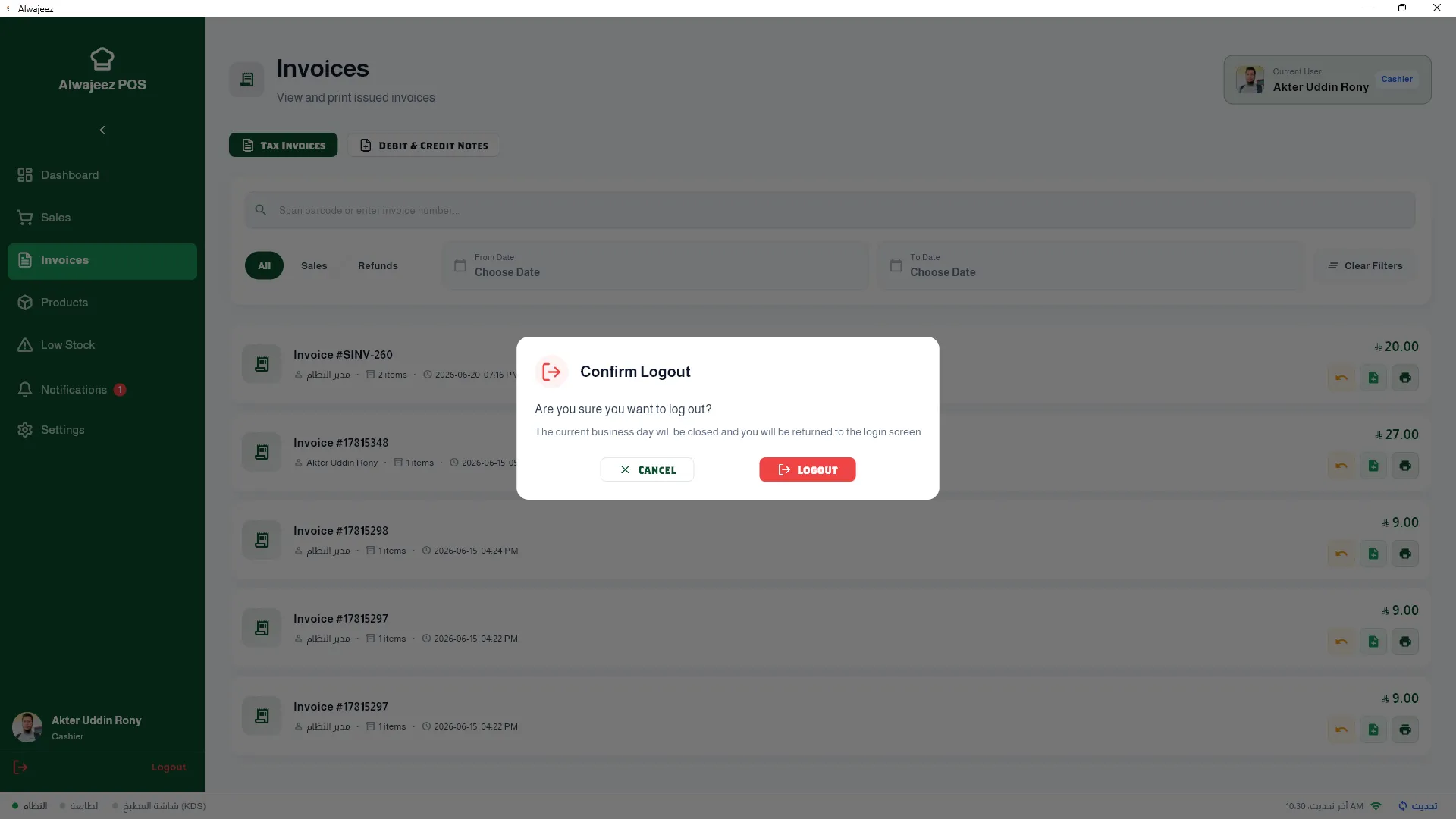
Figure 6: Secure shift handover with session summaries
How ALZERP Solves All 10 Problems
The following table provides a side-by-side comparison of the traditional approach versus the ALZERP solution for each of the 10 restaurant management problems covered in this article:
| # | Problem | Traditional Method | ALZERP Solution |
|---|---|---|---|
| 1 | Lost & Misheard Orders | Handwritten pads, verbal relay | Digital orders with modifiers, auto-sent to kitchen printer |
| 2 | Cashier Calculation Errors | Manual math, calculator | Auto-calculated totals, VAT, discounts, and change |
| 3 | Inventory Waste & Shrinkage | Weekly manual counts | Real-time deduction per sale with low-stock alerts |
| 4 | Slow Checkout | Paper menus, slow item lookup | Visual product grids, one-tap ordering, quick search |
| 5 | No Financial Visibility | Monthly accountant visits | Real-time dashboard with revenue, profit, and product analytics |
| 6 | Tax Compliance | Generic receipts, manual VAT | Auto-generated ZATCA Phase 1 QR codes on every invoice |
| 7 | Kitchen Miscommunication | Shouting, handwritten tickets | Printed kitchen tickets with items, mods, and table numbers |
| 8 | Untracked Staff Shifts | Paper sign-in sheets | PIN-based login with full activity audit trail |
| 9 | Manual Reporting | Nightly calculator reconciliation | One-click daily reports with integrated ERP accounting |
| 10 | Internet Outages | Operations halt completely | 100% offline operation on local SQLite database |
With a one-time license of SAR 1,500 per branch and no recurring fees, ALZERP delivers all ten solutions at a fraction of the cost of cloud-based alternatives that charge monthly subscriptions indefinitely. It's a lifetime investment that pays for itself within the first month of operation for most Saudi restaurants.
Frequently Asked Questions
Why do restaurants lose money?
Restaurants lose money due to a combination of food waste, cashier errors, theft, poor pricing, and operational inefficiency. A modern POS system like ALZERP addresses the controllable factors by automating calculations, tracking inventory in real time, and providing financial visibility that helps owners make data-driven decisions before small losses become large ones.
How can POS improve restaurant operations?
A POS system improves restaurant operations by digitizing order management, automating financial calculations, generating real-time reports, ensuring ZATCA tax compliance, and enabling kitchen-to-counter communication through printed tickets. ALZERP goes further by operating 100% offline and including full ERP modules for accounting, inventory, and HR management.
How can restaurants reduce cashier mistakes?
The most effective way to reduce cashier mistakes is to remove manual calculation entirely. ALZERP automatically computes item totals, applies discounts, calculates 15% VAT, and determines change for cash payments. PIN-based login also ensures accountability, so any errors can be traced to the responsible staff member for training.
How do restaurants track sales accurately?
Accurate sales tracking requires every transaction to be recorded digitally at the point of sale. ALZERP logs each sale with itemized details, timestamps, payment methods, and the serving cashier. Daily, weekly, and monthly reports are generated automatically, and the integrated accounting module ensures sales data flows directly into financial statements without manual re-entry.
What is the best POS for small restaurants in Saudi Arabia?
For small restaurants in Saudi Arabia, ALZERP (Alwajeez POS) offers the best value. At SAR 1,500 one-time per branch with no monthly fees, it includes restaurant-specific features like table management (20 tables), kitchen ticket printing, open orders, and ZATCA Phase 1 compliance. It runs offline on Windows 10/11, requires no internet, and includes full ERP capabilities that grow with your business.
Ready to eliminate all 10 restaurant management problems in one step? Request a free demo of Alwajeez POS and solve all 10 problems today. Whether you're running a single café in Dammam or a multi-branch chain across Riyadh and Jeddah, ALZERP's restaurant management software gives you the tools to operate efficiently, stay compliant, and maximize every riyal of revenue.