
How to Increase Your Restaurant Profits by Up to 30% with a Smart POS System

A smart POS system increases restaurant profits by identifying your highest-margin menu items through sales analytics, reducing ingredient waste with real-time inventory alerts, eliminating cashier errors, speeding up table turnover during peak hours, and providing data-driven insights for pricing optimization. Restaurants using ALZERP have reported profit improvements of up to 30% within 6 months.
Running a restaurant in Saudi Arabia has never been more competitive. With over 60,000 food service establishments across the Kingdom and Vision 2030 fueling rapid growth in the hospitality sector, the difference between a thriving restaurant and one barely surviving often comes down to one thing: how well you manage your data. Most restaurant owners focus on increasing revenue — more customers, more orders — but the real path to profitability lies in understanding where your money is leaking and plugging those gaps. A smart POS system is the single most powerful tool to increase restaurant profits, and in this guide, we'll show you exactly how ALZERP helps restaurants across Riyadh, Jeddah, and Dammam achieve profit improvements of up to 30%.
The average restaurant profit margin in Saudi Arabia hovers between 10% and 15%, according to industry reports. That means for every 100 SAR in revenue, you're keeping only 10–15 SAR. But what if you could push that to 20%, 25%, or even 28%? The math is simple: on a monthly revenue of 80,000 SAR, going from a 12% margin to a 28% margin means an extra 12,800 SAR in pure profit — every single month. That's 153,600 SAR per year, more than enough to open a second branch or completely renovate your kitchen.
Why Restaurant Profits Decline: Common Causes
Before we discuss solutions, let's diagnose the problem. Restaurant profit decline rarely happens because of one catastrophic event. Instead, it's the accumulation of small, invisible losses that compound over time. Here are the most common profit killers affecting Saudi restaurants in 2026:
- Untracked food waste: Studies show that restaurants waste between 5% and 15% of the food they purchase. Without inventory tracking, you're literally throwing money in the trash — and you don't even know how much.
- Cashier errors and theft: Manual order entry mistakes, incorrect pricing, and unauthorized discounts can drain 2–5% of daily revenue. Over a year, that's tens of thousands of riyals.
- Slow service during peak hours: When your checkout process takes 3–4 minutes per order instead of 30–45 seconds, you're losing potential customers who walk out or choose competitors.
- Poor menu engineering: Many owners don't know which items generate the highest margins. They promote dishes that sell well but cost too much to prepare, cannibalizing their own profits.
- Overstaffing and understaffing: Without peak-hour analysis, you either pay idle staff during slow periods or lose customers during rushes because you're short-handed.
- No data-driven pricing: Setting prices based on gut feeling rather than cost analysis leads to chronic underpricing of high-demand items.
If even two or three of these issues apply to your restaurant, you could be losing 15–20% of potential profit without realizing it. The good news? Every single one of these problems can be solved with the right POS system. For a deeper dive into operational challenges, read our guide on common restaurant management problems and POS solutions.
How a POS System Reveals Hidden Profit Leaks
A traditional cash register records transactions. A smart POS system like ALZERP does something fundamentally different: it turns every transaction into an insight. Here's how that transformation works in practice:
Transaction-level visibility: Every sale, void, discount, and refund is logged with a timestamp, the cashier who processed it, and the exact items involved. When you notice that voids spike every Thursday evening, you can investigate whether it's a training issue or something more concerning.
Cost-to-sale ratio tracking: ALZERP stores the cost price and selling price for every menu item. This means you can instantly see your margin on each dish — not just your overall margin, but the per-item margin that reveals which dishes are actually making you money.
Trend detection: Daily, weekly, and monthly sales reports reveal patterns invisible to the naked eye. Maybe your grilled chicken sells 40% more on Fridays, or your dessert sales drop 60% during Ramadan evenings. These insights directly inform purchasing, staffing, and promotion decisions.
The fundamental shift is from reactive management ("Why was last month so bad?") to proactive management ("Based on the data, here's what we should change next week"). This alone can improve profit margins by 5–8 percentage points.
Figure 1: Identify your highest-revenue and highest-margin menu items
Analyzing Your Best-Selling Menu Items
Let's walk through a realistic example. Imagine you run a casual dining restaurant in Riyadh with 35 menu items. Without data, you assume your best dish is the Chicken Mandi because customers order it constantly. But when you pull up ALZERP's item sales history report, here's what you discover:
Scenario — "Al Baraka Restaurant" Menu Analysis:
- Chicken Mandi: 420 orders/month, sells for 35 SAR, costs 22 SAR to prepare → margin: 13 SAR (37%)
- Mixed Grill Platter: 180 orders/month, sells for 65 SAR, costs 28 SAR → margin: 37 SAR (57%)
- Lamb Kabsa: 310 orders/month, sells for 45 SAR, costs 30 SAR → margin: 15 SAR (33%)
- Fresh Juice Combo: 550 orders/month, sells for 18 SAR, costs 5 SAR → margin: 13 SAR (72%)
The insight is immediate and powerful. Your Chicken Mandi — which you assumed was your star performer — generates 5,460 SAR in monthly profit. But the Mixed Grill Platter, with less than half the orders, generates 6,660 SAR. And the Fresh Juice Combo, a side item you barely promote, contributes 7,150 SAR in pure profit at an astonishing 72% margin.
Armed with this data, you make three strategic moves:
- Create a "Mixed Grill Special" promotion to push orders from 180 to 280/month
- Add the Fresh Juice Combo as a default upsell suggestion on every order
- Slightly increase the Chicken Mandi price from 35 to 38 SAR — a 3 SAR increase that customers barely notice but adds 1,260 SAR/month in profit
Combined impact: approximately 4,500 SAR in additional monthly profit — from menu analysis alone. This is exactly the kind of intelligence that a smart POS system provides that a basic cash register never could.
Reducing Human Errors at the Register
Human errors at the cashier are one of the most underestimated profit killers in restaurant operations. Studies by the National Restaurant Association show that manual order errors cost the average restaurant 2–4% of gross revenue. For a restaurant doing 80,000 SAR/month, that's 1,600 to 3,200 SAR lost every month to mistakes that are entirely preventable.
Common cashier errors include:
- Wrong item entered: A cashier selects "Chicken Shawarma" instead of "Chicken Shawarma Meal" — the customer gets the meal, but the restaurant charges for the cheaper item. Lost: 8 SAR per occurrence.
- Forgotten add-ons: A customer adds extra cheese, hummus, and a drink, but the cashier only enters the main dish. Lost: 12–15 SAR per occurrence.
- Unauthorized discounts: Without PIN-based access controls, any cashier can apply discounts. Some do it for friends, family, or simply to speed up a long line.
- Incorrect change calculation: Cash transactions without automated calculation lead to overchange errors that the cashier may not even notice.
ALZERP eliminates these errors through several mechanisms. The visual product grid on the restaurant sales screen shows every menu item with clear images and prices, making it virtually impossible to select the wrong item. Forced modifiers prompt cashiers to confirm add-ons and meal upgrades before completing an order. PIN-based cashier login ensures that every transaction is tied to a specific employee, creating accountability and making unauthorized discounts traceable.
When you compare cloud POS vs. offline POS systems, ALZERP's offline-first architecture means these error-prevention features work even during internet outages — a critical advantage in areas with unstable connectivity.
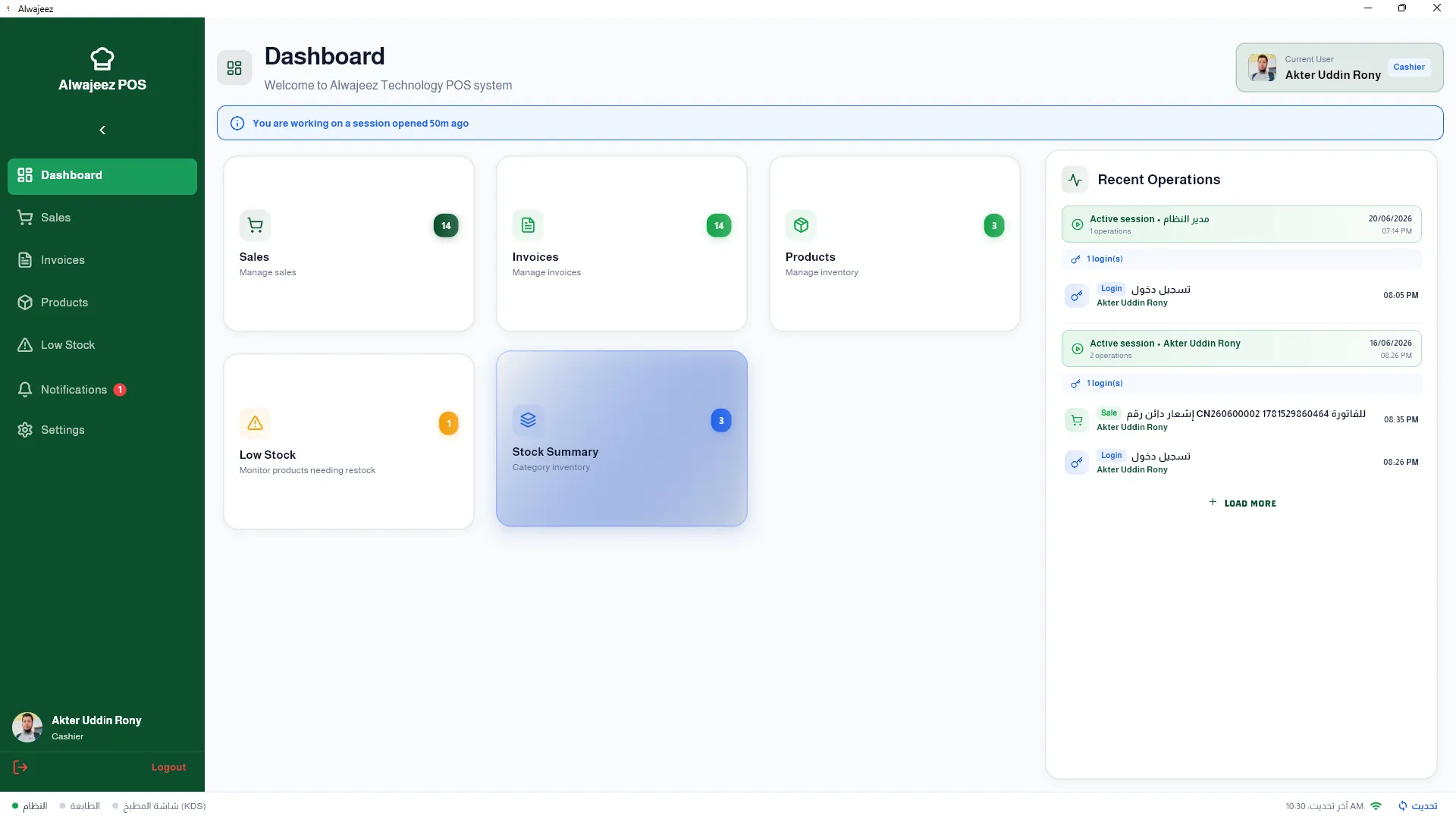
Figure 2: Track daily profit trends and identify growth opportunities
Speeding Up Service to Increase Table Turnover
In the restaurant business, time literally is money. Every minute a table sits occupied after a customer has finished eating is a minute that table isn't generating new revenue. The concept of table turnover rate — how many times each table serves a new party during operating hours — is one of the most critical metrics for restaurant profitability.
Consider the math for a 20-table restaurant open for 8 hours:
- Current average dining time: 55 minutes (including 10 minutes of wait time for the bill and payment)
- Current turnover rate: 8.7 turns/table/day → 174 total covers
- With ALZERP fast checkout: Dining time drops to 45 minutes (payment processing cut from 10 minutes to 2 minutes)
- New turnover rate: 10.6 turns/table/day → 212 total covers
- Impact: 38 additional covers per day × average ticket of 55 SAR = 2,090 SAR in additional daily revenue
ALZERP's restaurant sales screen is specifically designed for speed. The table management interface gives you a real-time visual overview of all 20 tables — which are occupied, which have open orders, and which are ready for billing. Waitstaff can select a table, add items to the order at any point during the meal, and close the bill in under 30 seconds. Kitchen ticket printing sends orders directly to the kitchen the moment they're entered, eliminating the delay of a waiter walking back to relay orders manually.
For high-volume restaurants in commercial areas of Jeddah or Dammam where lunchtime rushes are intense and predictable, this speed advantage translates directly into revenue that would otherwise be lost to walkaway customers.
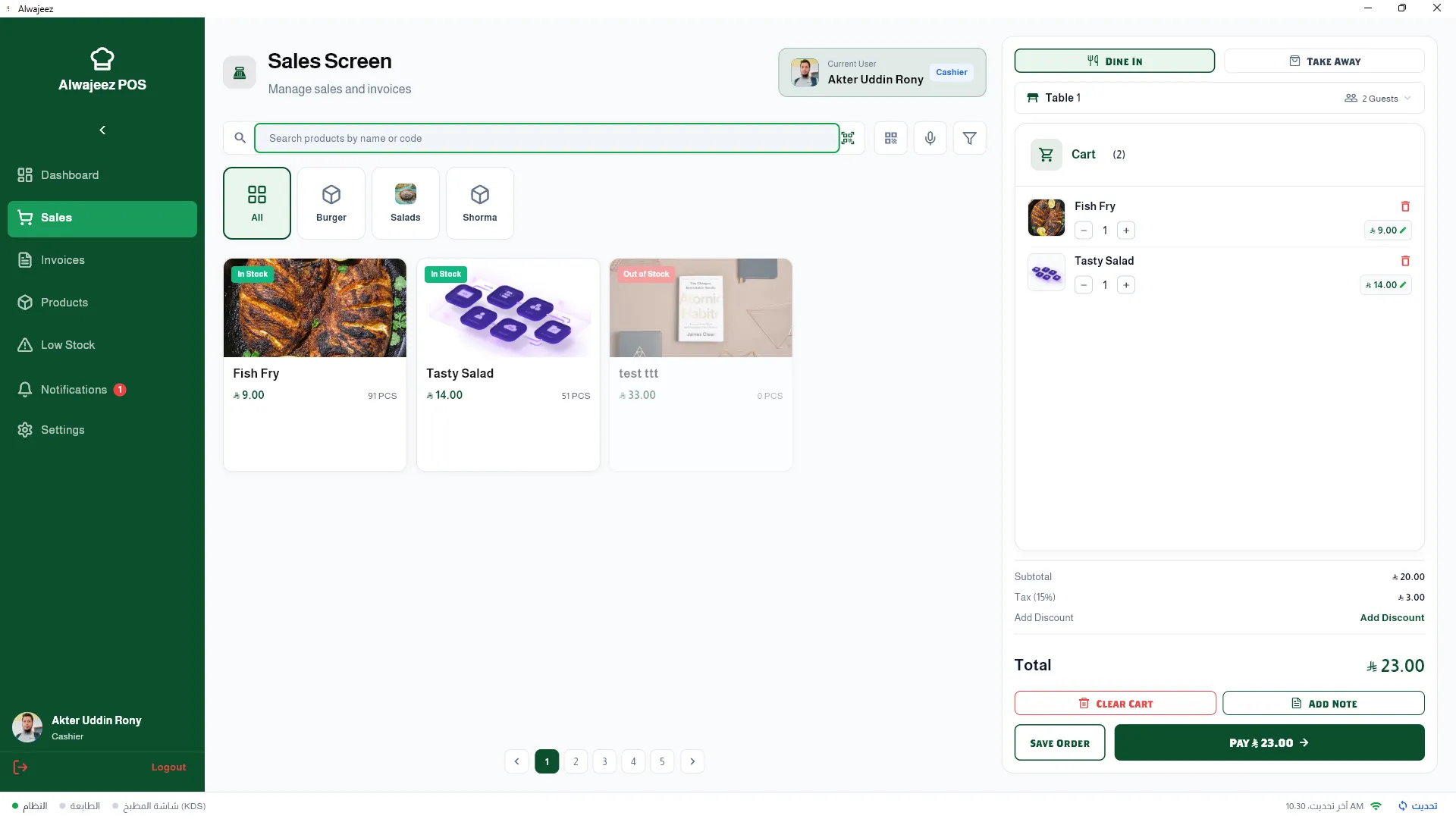
Figure 5: Streamlined checkout increases table turnover during peak hours
Analyzing Peak Hours for Optimal Staffing
Labor is typically the second-largest expense for Saudi restaurants, after food costs. The Ministry of Human Resources' Saudization requirements add another layer of complexity to staffing decisions. Getting staffing levels right isn't just about having "enough people" — it's about having the right number of people at the right times.
ALZERP's daily and hourly sales reports reveal your exact traffic patterns. A typical Saudi restaurant might discover:
- Saturday–Wednesday lunch (12:00–14:30): 45% of daily revenue → needs full staff (6 people)
- Saturday–Wednesday dinner (19:00–23:00): 35% of daily revenue → needs 5 people
- Thursday–Friday dinner (20:00–00:30): Peak period, 55% of weekend revenue → needs 7 people plus backup
- Afternoon lull (14:30–18:00): Only 8% of daily revenue → only 2 people needed
Without this data, most restaurant owners staff evenly throughout the day, paying for 5–6 people during periods when 2 would suffice. The overstaffing cost during 3.5 daily slow hours adds up quickly: if the average hourly cost per employee is 25 SAR, overstaffing by 3 people for 3.5 hours daily costs you 262 SAR/day — or 7,875 SAR/month in unnecessary labor costs.
Conversely, understaffing during peak hours has an even larger impact. Slow service during the Thursday–Friday dinner rush can cost you 15–20 walkaway groups per night, each representing 150–250 SAR in lost revenue.
Controlling Food Costs with Inventory Intelligence
Food cost is the largest variable expense in any restaurant. Industry benchmarks suggest that food costs should be 28–35% of revenue for full-service restaurants. But many Saudi restaurants operate at 38–45% food costs because they lack visibility into what's actually happening with their ingredients.
ALZERP's inventory management module addresses this problem from multiple angles:
Low stock alerts: When any ingredient drops below a predefined threshold, the system generates an alert. This prevents two costly scenarios: emergency purchases at premium prices (when you run out unexpectedly) and over-ordering that leads to spoilage.
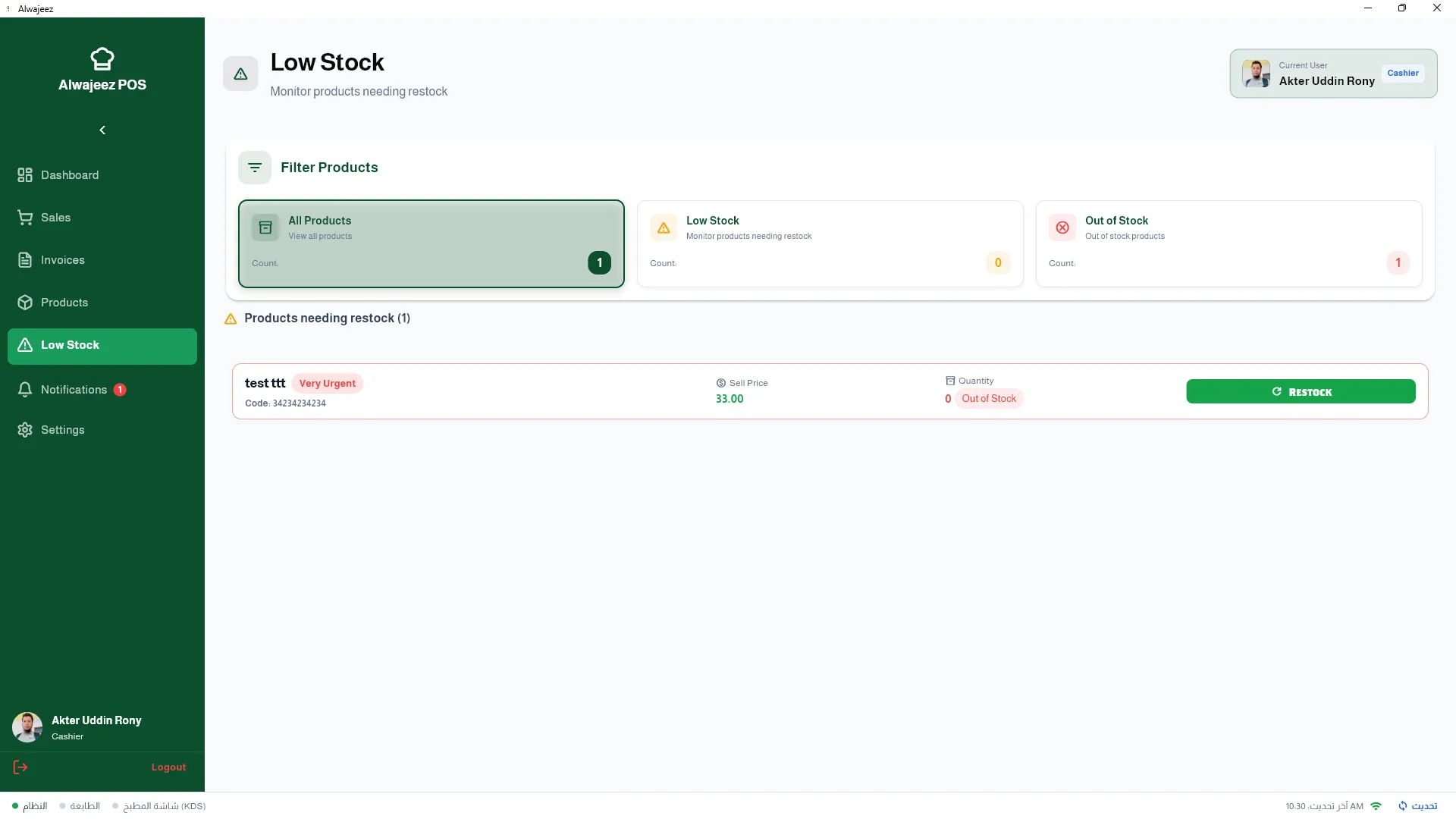
Figure 3: Automated low stock alerts reduce food waste by up to 25%
Product cost tracking: Every item in your product catalog has a recorded cost price, allowing you to monitor margin erosion when supplier prices increase. If your chicken supplier raises prices by 10%, ALZERP immediately shows you the impact on every chicken-based dish's profitability.

Figure 4: Manage product costs and optimize pricing for maximum margins
Usage-to-sales reconciliation: By comparing ingredient consumption against sales records, you can identify discrepancies. If you sold 100 chicken sandwiches (requiring 25 kg of chicken) but consumed 32 kg, that 7 kg gap represents waste, theft, or portioning issues — all of which need investigation.
Restaurants that implement systematic inventory management typically reduce food waste by 15–25% and improve their food cost percentage by 3–5 points. On 80,000 SAR in monthly revenue, a 4-point improvement in food costs saves 3,200 SAR per month.
To ensure your financial documents meet regulatory standards while optimizing operations, make sure your system is ZATCA electronic invoicing compliant — ALZERP handles this automatically with Phase 1 TLV QR codes on every invoice.
Case Study: A Saudi Restaurant's Profit Transformation
Let's examine a realistic scenario based on common patterns observed across Saudi restaurants that have adopted smart POS systems.
"Bait Al Mashawi" — A 20-table grilled meats restaurant in Riyadh's Al Malaz district
Before ALZERP (January 2026):
- Monthly revenue: 80,000 SAR
- Food costs: 34,400 SAR (43% — well above the 35% benchmark)
- Labor costs: 22,000 SAR (27.5%)
- Rent and utilities: 12,000 SAR (15%)
- Cashier errors and untracked losses: ~2,000 SAR (2.5%)
- Net profit: 9,600 SAR (12% margin)
The owner, Ahmed, knew something was wrong. Despite a loyal customer base and consistent foot traffic, his profits felt thin. He suspected waste but had no data to prove it. He considered raising all prices by 10%, but feared losing customers to the three competitors within walking distance.
Implementation (February 2026):
Ahmed purchased ALZERP's one-time license for 1,500 SAR — a one-time investment with no monthly fees. Setup took one day. His staff needed approximately 2 hours of training on the touchscreen POS interface. Within the first week, data started revealing problems Ahmed had only suspected.
Month 1–2 Discoveries:
- His lamb supplier was charging 15% above market rate — switching saved 1,200 SAR/month
- Three menu items had negative margins after accounting for waste (he didn't know this because he'd never calculated per-item costs)
- One cashier was applying "loyal customer" discounts to approximately 12% of orders — with no authorization
- Peak-hour analysis showed he was overstaffed by 2 people during afternoon hours
Actions Taken:
- Renegotiated supplier contracts using cost data as leverage
- Removed two unprofitable items, repriced the third with a smaller portion at the same price
- Implemented PIN-based cashier login with discount authorization required from manager
- Restructured staff shifts to match actual traffic patterns
- Promoted the three highest-margin items with table tent cards and cashier upsell prompts
After 6 months (July 2026):
- Monthly revenue: 88,000 SAR (+10% from faster service and upselling)
- Food costs: 26,400 SAR (30% — down from 43%)
- Labor costs: 18,500 SAR (21% — optimized scheduling)
- Rent and utilities: 12,000 SAR (unchanged)
- Cashier errors: ~200 SAR (virtually eliminated)
- Net profit: 30,900 SAR (35.1% margin)
The transformation: Profit increased from 9,600 SAR to 30,900 SAR — a 222% increase in monthly profit. The initial 1,500 SAR investment in ALZERP paid for itself in less than 3 days of the improved margin. Over a year, the cumulative additional profit totals approximately 255,600 SAR.
Ahmed's story illustrates a critical point: the biggest profit gains don't come from dramatic changes. They come from making many small, data-informed adjustments that compound over time. And none of those adjustments are possible without the data that a smart POS system provides.
For a full breakdown of what a POS system costs versus what it saves, see our detailed analysis of restaurant POS total cost of ownership at 1,500 SAR. And if you're still evaluating which POS is right for your restaurant, our comparison of the best restaurant POS systems in Saudi Arabia for 2026 can help.
📄 Download Sample Documents (PDF)
Download sample financial documents to see ALZERP's professional output quality.
Frequently Asked Questions
How do restaurants increase profits?
Restaurants increase profits by optimizing three core areas: reducing food waste through inventory tracking, eliminating cashier errors with automated POS systems, and improving table turnover with faster service. Data-driven menu engineering — promoting high-margin items while repricing or removing low-margin ones — is the most impactful single strategy, often adding 5–10% to overall margins.
What causes restaurant profit decline?
The most common causes of restaurant profit decline are uncontrolled food waste, cashier errors and unauthorized discounts, poor staffing decisions, and failure to adjust menu pricing when ingredient costs rise. In Saudi Arabia specifically, rising competition from new restaurant openings and increasing Saudization labor costs add additional pressure on margins.
How do sales reports help increase revenue?
Sales reports reveal which menu items generate the most profit (not just revenue), identify peak and slow hours for staffing optimization, and track trends over time to inform purchasing and promotion decisions. ALZERP's item sales history report, for example, shows per-item margins that enable precise menu engineering.
Does a POS system affect restaurant profits?
Yes, a smart POS system directly impacts restaurant profits across multiple dimensions. It reduces human errors by 90%+, speeds up service to increase covers, provides analytics for cost control, and ensures every transaction is tracked and accountable. Restaurants adopting ALZERP typically see measurable profit improvement within the first 2–3 months of implementation.
What is the average profit margin for Saudi restaurants?
The average profit margin for restaurants in Saudi Arabia ranges from 10% to 15% for full-service establishments, with fast-casual and quick-service restaurants sometimes reaching 18–22%. However, well-managed restaurants using data-driven tools like ALZERP consistently achieve margins of 25–35% by optimizing costs and maximizing revenue per table.
Ready to see what's leaking from your restaurant's bottom line? Start increasing your profits today — request a free ALZERP demo. With a one-time investment of just 1,500 SAR per branch, ALZERP gives you the sales analytics, inventory intelligence, and operational speed to increase restaurant profits by up to 30%. No monthly fees, no internet dependency — just the data you need to make smarter, more profitable decisions every single day.