Saudi Vision 2030 and ERP: How Cloud Software Supports Digital Transformation

Saudi Vision 2030 and ERP: How Cloud Software Supports Digital Transformation
The Kingdom of Saudi Arabia is currently undergoing one of the most ambitious national transformations in modern history. At the heart of Saudi Vision 2030 is the goal of creating a thriving economy driven by technology, innovation, and digital excellence. For the private sector, this means transitioning away from legacy processes toward unified, intelligent systems. Implementing a modern Saudi Vision 2030 ERP strategy is no longer just a business choice—it is a contribution to the national digital roadmap.
What this article covers
- Why ERP systems are central to Saudi Arabia's digital transformation
- The shift toward mandatory cloud adoption and data sovereignty
- Enhancing national productivity through business automation
- How ERP streamlines finance, compliance, and inventory for KSA SMEs
- Achieving multi-branch efficiency in a growing economy
- Frequently Asked Questions (FAQ)
Why ERP systems are central to Saudi Arabia's digital transformation
Digital transformation is not simply about using computers; it is about reinventing how value is created. Under Vision 2030, the government has introduced massive initiatives like the ZATCA "Fatoora" project and mandatory digital labor contracts. An ERP system acts as the bridge that connects these governmental requirements with your internal business operations. By digitizing your entire value chain—from procurement to final sale—you align your company with the national digital standards, ensuring long-term sustainability.
The shift toward mandatory cloud adoption and data sovereignty
The Saudi government, through entities like the Saudi Data and AI Authority (SDAIA), is strongly encouraging "Cloud-First" strategies. Cloud business software offers significant advantages for the Kingdom’s digital goals:
- Rapid Deployment: Cloud systems can be rolled out across Riyadh, Jeddah, and Dammam in days, not months.
- Data Security: Centralized cloud platforms offer robust protection against cyber threats, a key pillar of national security.
- Scalability: As the Saudi economy grows, cloud systems scale automatically to handle increased transaction volumes without requiring manual hardware upgrades.
Enhancing national productivity through business automation
A core goal of Vision 2030 is to increase the productivity of the private sector. Manual, paper-based accounting and inventory tracking are major bottlenecks to this goal. Saudi Vision 2030 ERP implementations eliminate these inefficiencies by:
- Automating Routine Tasks: Freeing up employees to focus on high-value roles rather than data entry.
- Improving Accuracy: Reducing the estimated billions of Riyals lost annually due to administrative errors and tax leakage.
- Synchronizing Departments: Ensuring that your sales, finance, and logistics teams are all working from the same real-time data set.
How ERP streamlines finance, compliance, and inventory for KSA SMEs
Small and Medium Enterprises (SMEs) are the backbone of the Vision 2030 growth strategy. However, many SMEs struggle with the complexity of modern compliance. A localized ERP like ALZ ERP simplifies this by:
- Built-in ZATCA Compliance: Handling electronic invoicing Phase 2 requirements natively.
- VAT Management: Simplifying tax calculations and periodic return filings.
- Inventory Visibility: Preventing waste and optimizing the movement of goods through the Kingdom’s logistics hubs.
Achieving multi-branch efficiency in a growing economy
As opportunities expand into new cities and economic zones across Saudi Arabia, businesses are growing from single locations into multi-branch enterprises. Managing this growth is impossible without a centralized digital dashboard. Cloud ERP provides the "command center" needed to oversee multiple branches, ensuring that service quality and financial accuracy remain high regardless of distance.
FAQ
How does ALZ ERP support the goals of Vision 2030?
ALZ ERP is built specifically for the KSA market. We focus on enabling digital transformation via localized automation, total compliance with ZATCA mandates, and providing the tools SMEs need to be more productive and competitive.
Is cloud software mandatory for businesses in Saudi Arabia?
While not strictly mandatory for all, governmental directions (like the Cloud-First Policy) and the technical requirements of Phase 2 ZATCA e-invoicing make cloud software the most practical and efficient choice for 99% of businesses.
Does the system support Arabic and English?
Yes. A key requirement for any Saudi Vision 2030 ERP is full bilingual support to accommodate both local staff and international stakeholders.
Can an ERP help me with Saudization (Nitaqat) tracking?
Integrated HR modules in systems like ALZ ERP help you track your Saudization percentages and manage employee records in compliance with Ministry of Human Resources and Social Development regulations.
Final CTA
Be a part of the Kingdom's digital future. Don't let outdated technology hold your business back from the opportunities of the next decade. ALZ ERP provides the modern, cloud-native foundation your company needs to thrive under Saudi Vision 2030.
Start your digital transformation journey with ALZ ERP today.
Related Articles
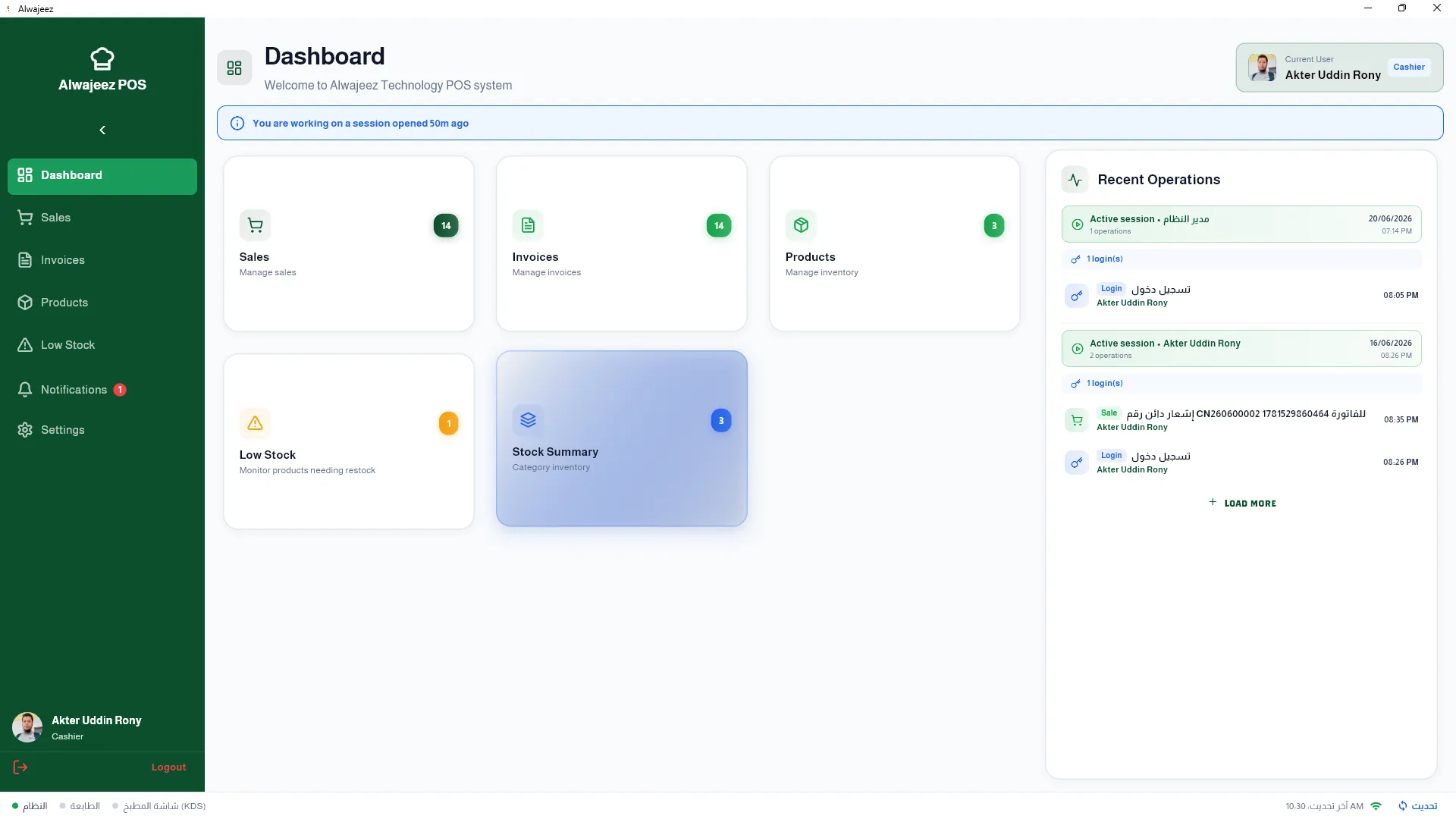
Local vs Cloud Restaurant POS in Saudi Arabia – 1500 SAR One-Time vs 500 SAR/Year
Compare on-premise (1,500 SAR one-time) vs cloud (500 SAR/year) restaurant POS systems in Saudi Arabia. Discover TCO, data control, and franchise benefits.
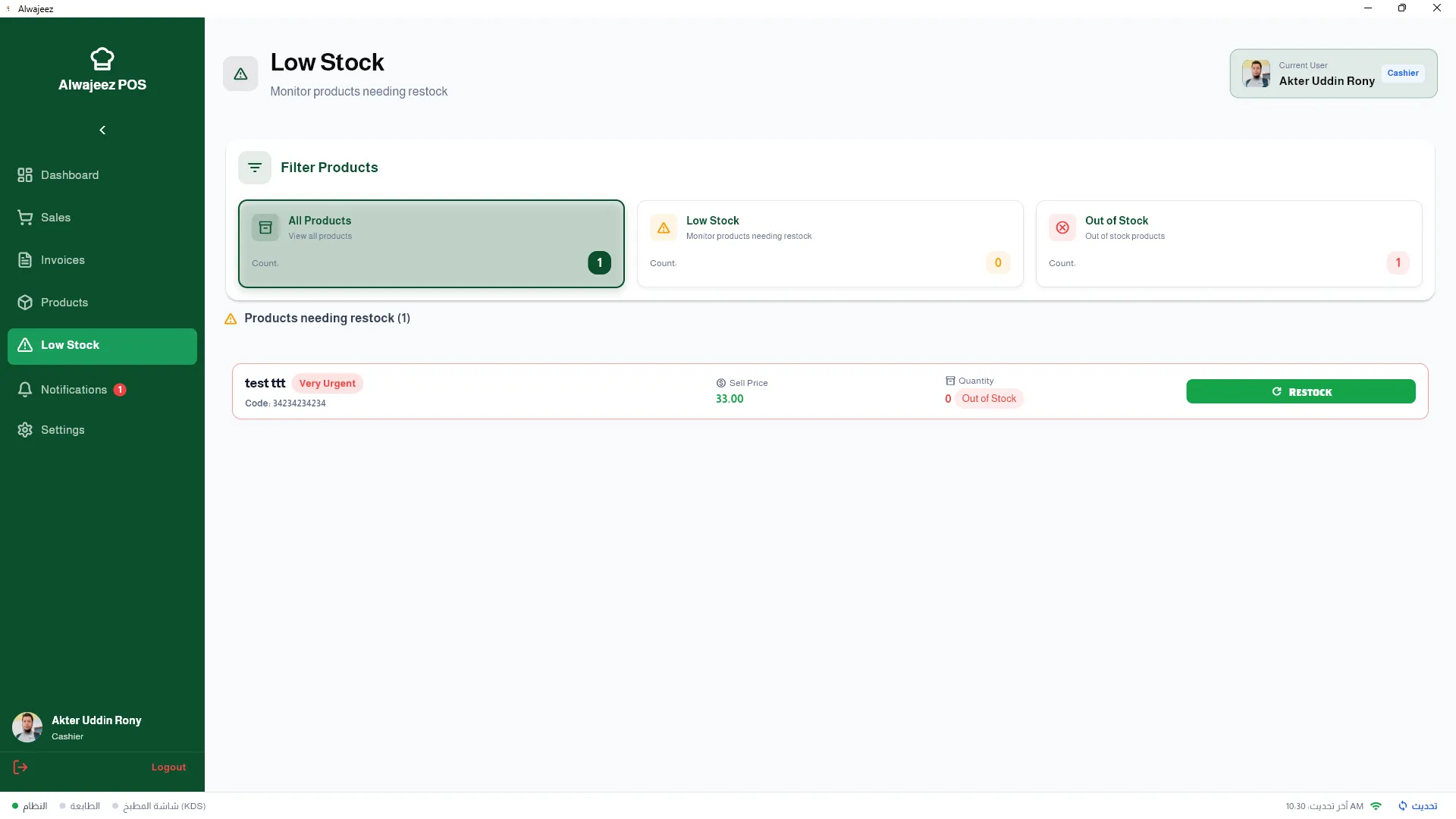
Multi-Branch Restaurant POS & ERP Software in Saudi Arabia – Centralised Accounting
Manage 2 to 50+ restaurant branches in KSA with ALZERP's integrated multi-branch POS & ERP. Learn about centralised inventory, stock transfers, and P&L by branch.
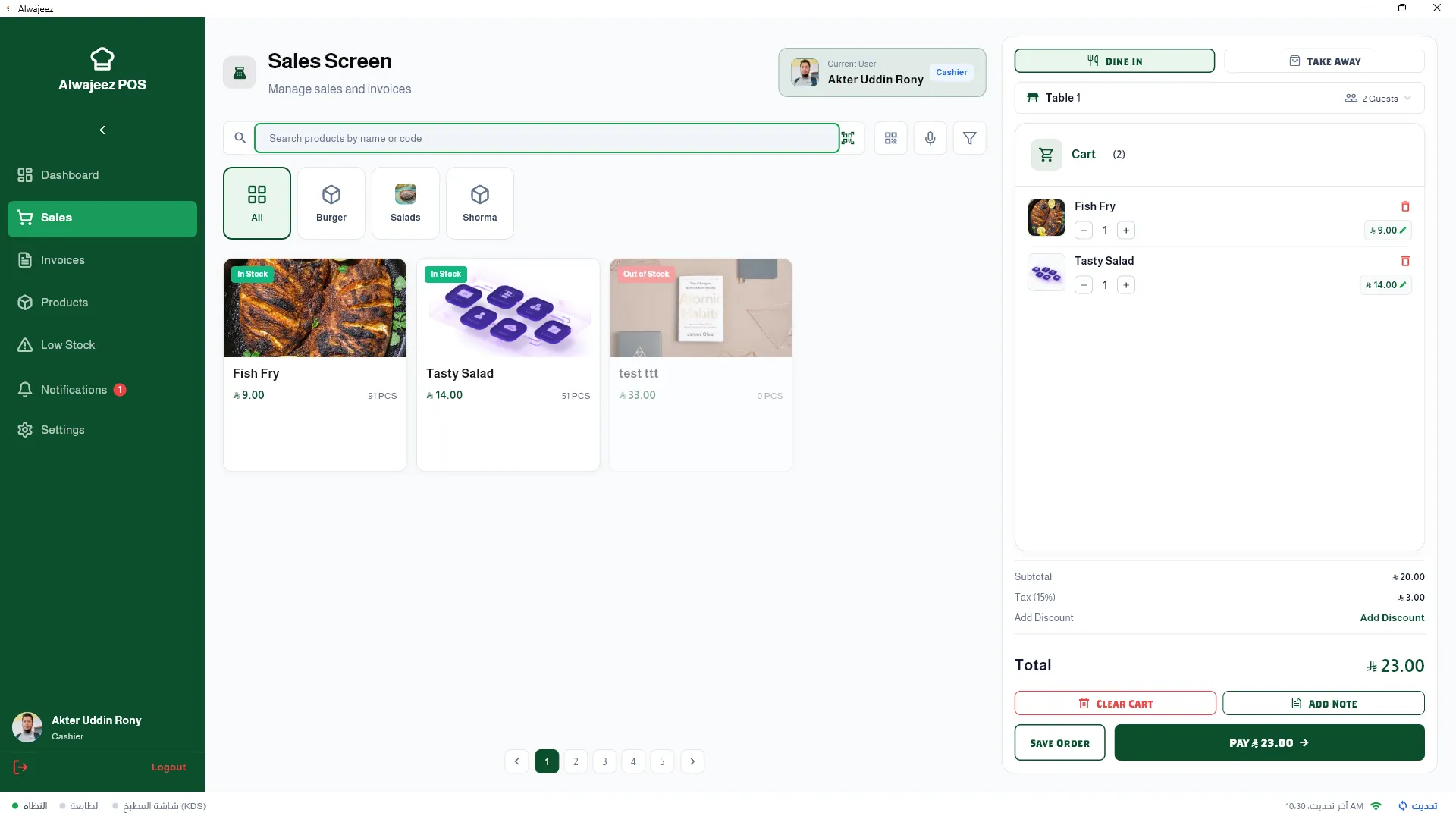
Restaurant POS with Full ERP Integration in Saudi Arabia – Multi-Branch & Accounting
Discover why Saudi restaurants need an ERP-integrated POS system. Learn about ALZERP's multi-branch support, automatic accounting, and ZATCA compliance.