How to Make Your ERP ZATCA-ready for Phase 2 Integration
How to Make Your ERP ZATCA-ready for Phase 2 Integration
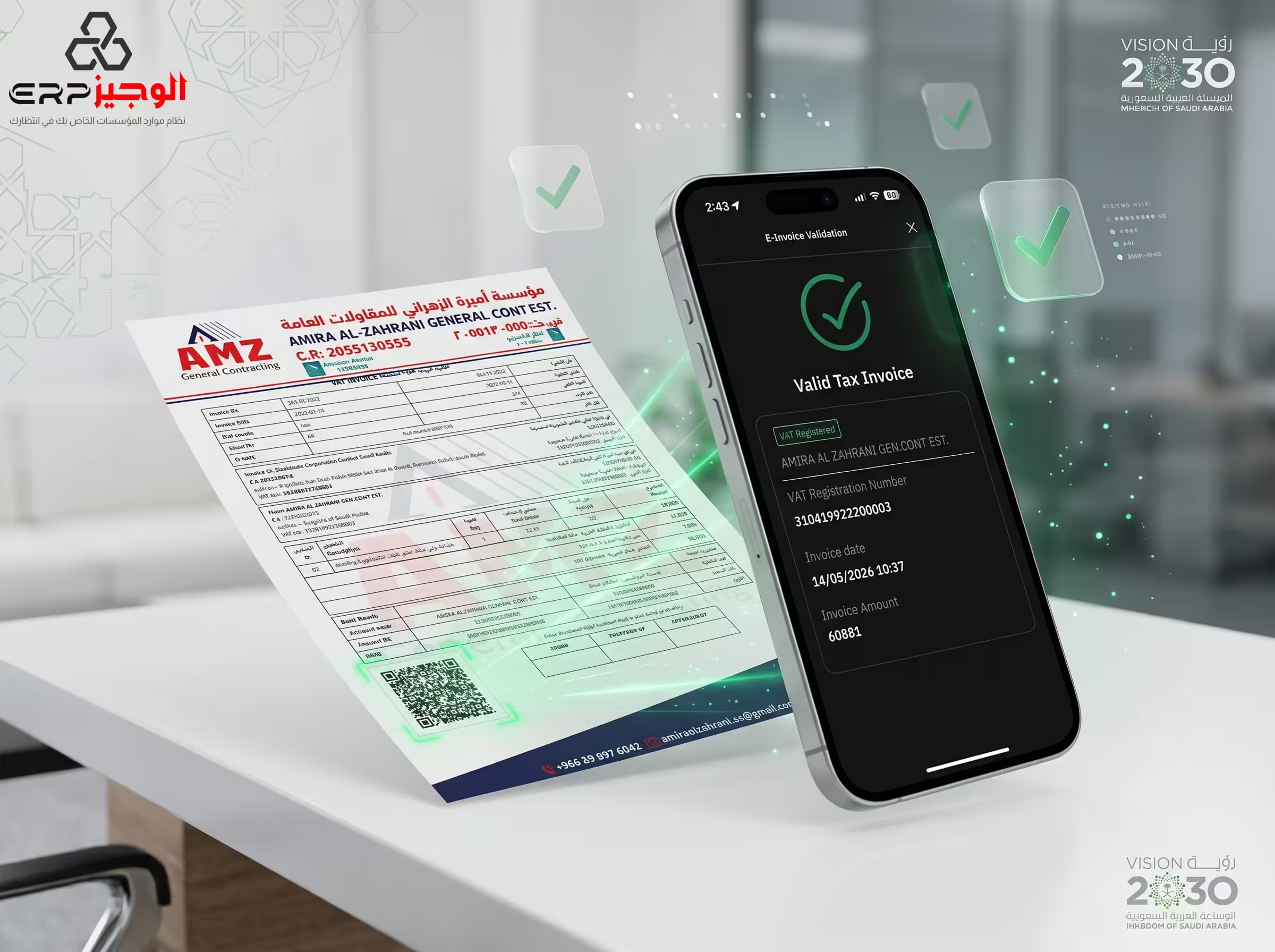
The transition to Phase 2 of the ZATCA e-invoicing mandate—the "Integration Phase"—is one of the most significant technical shifts for businesses in Saudi Arabia. Unlike Phase 1, which focused on generating compliant invoices locally, Phase 2 requires a direct, live connection between your software and the ZATCA Fatoora portal. Ensuring your ZATCA Phase 2 ERP is ready is critical for maintaining your legal standing and operational continuity.
What this article covers
- Understanding the technical shift of Phase 2
- A technical checklist for ERP readiness
- The role of API integration and XML formatting
- Mandatory invoice fields and cryptographic signatures
- Why testing and validation are non-negotiable
- Common failure points during integration
- Frequently Asked Questions (FAQ)
Understanding the technical shift of Phase 1 to Phase 2
While Phase 1 was about "generation," Phase 2 is about "clearance and reporting." For B2B transactions, invoices must be cleared by ZATCA's portal in real-time before they are legally valid. For B2C transactions, they must be reported to the portal within 24 hours. This shift requires your ERP to transform from a silent record-keeper into an active, communicative participant in the Saudi tax ecosystem.
A technical checklist for ERP readiness
To achieve ZATCA Phase 2 ERP readiness, your system must check several complex technical boxes:
- Digital Signature Integration: The ERP must generate a unique cryptographic signature for every invoice using a certificate issued by ZATCA.
- Standardized XML Compliance: Invoices must be generated in the UBL 2.1 XML format, containing every data field mandated by the authority.
- UUID Generation: Every invoice requires a Universally Unique Identifier, a 128-bit number that ensures no two invoices are ever the same.
- Previous Invoice Hash: To prevent tampering, each new invoice must contain a hash of the previous invoice, creating a secure, unbreakable chain of records.
The role of API integration and XML formatting
The "Integration" in Phase 2 refers primarily to APIs. Your ERP needs robust API endpoints that can:
- Submit invoices to the Fatoora portal.
- Receive clearance status and cryptographic stamps.
- Handle error messages from ZATCA gracefully, allowing your staff to correct and resubmit data quickly.
The XML data type is the mandatory language of this exchange. Your ERP must faithfully translate your front-end sales data into these complex data structures without a single character out of place.
Why testing and validation are non-negotiable
You cannot "guess" your way into Phase 2 compliance. ZATCA provides a "Sandbox" environment for developers to test their integrations. A compliant ERP like ALZ ERP has already been through rigorous testing to ensure that every XML tag, every QR code field, and every API call meets the exact specifications of the authority. Before you go "Live," the system must successfully complete a "Simulation" phase as required by ZATCA.
Common failure points during integration
Many businesses struggle with Phase 2 because of:
- Poor Internet Reliability: If your ERP isn't built to handle temporary offline states and auto-retry reporting, you risk missing the 24-hour reporting window.
- Incorrect VAT ID Mapping: Using incorrect or outdated registration numbers for customers will cause ZATCA's portal to reject the invoice immediately.
- Incompatible Legacy Hardware: Some older on-premise servers lack the security protocols (like TLS 1.2+) required to communicate with ZATCA’s modern APIs.
FAQ
What is the "Integration Wave" and how does it affect me?
ZATCA is rolling out Phase 2 in waves based on revenue. You will receive an official notification from ZATCA stating your specific deadline for integration.
Does ALZ ERP handle the "Onboarding" process?
Yes. ALZ ERP includes the necessary tools to generate CSRs (Certificate Signing Requests) and obtain the digital certificates required to onboard your systems onto the ZATCA portal.
What happens if the ZATCA portal is down?
ZATCA’s regulations include "Business Continuity" rules. A compliant ERP should store the generated invoices and automatically resubmit them once the portal service is restored.
Do I need to manually upload XML files to ZATCA?
No. For a true Phase 2 integration, your ZATCA Phase 2 ERP should handle the transmission automatically via the API without human intervention.
Final CTA
Don't wait until the last minute of your integration wave. Ensure your business is protected by a system that was built from the ground up for Saudi compliance. ALZ ERP is fully Phase-2 ready, offering a seamless, automated bridge to the ZATCA Fatoora portal.
Contact us today to schedule your Phase 2 readiness assessment.
Related Articles
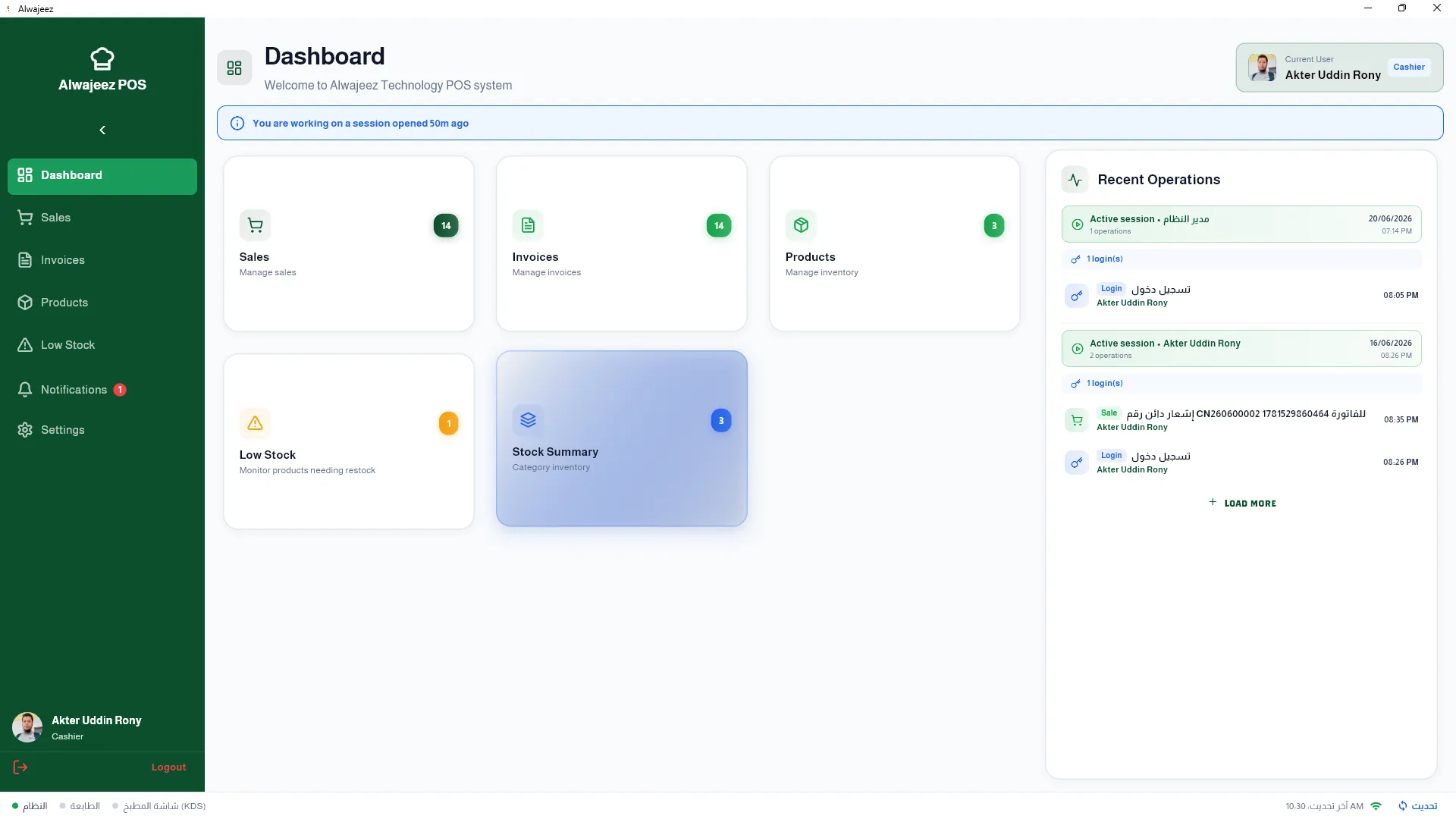
Local vs Cloud Restaurant POS in Saudi Arabia – 1500 SAR One-Time vs 500 SAR/Year
Compare on-premise (1,500 SAR one-time) vs cloud (500 SAR/year) restaurant POS systems in Saudi Arabia. Discover TCO, data control, and franchise benefits.
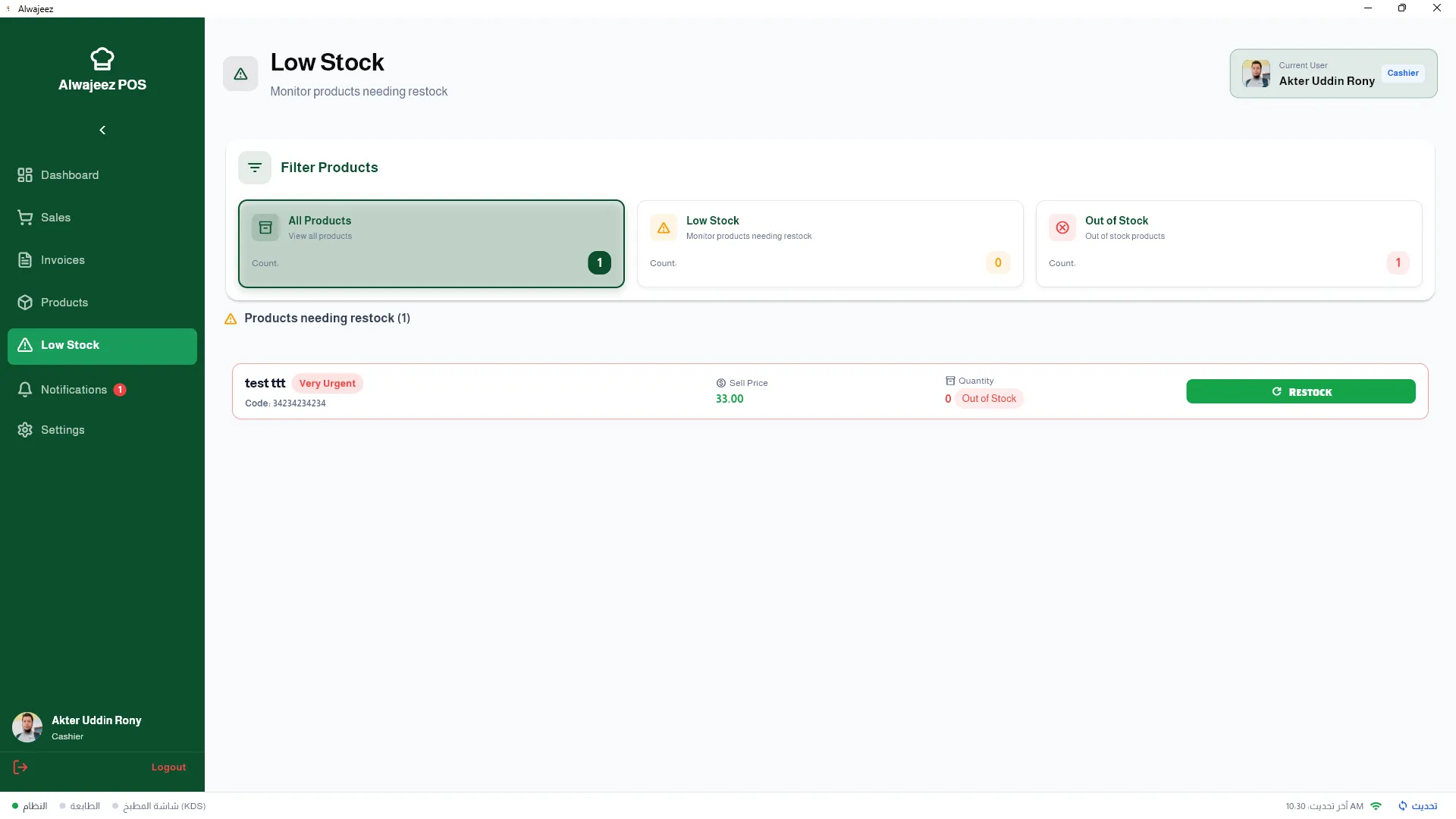
Multi-Branch Restaurant POS & ERP Software in Saudi Arabia – Centralised Accounting
Manage 2 to 50+ restaurant branches in KSA with ALZERP's integrated multi-branch POS & ERP. Learn about centralised inventory, stock transfers, and P&L by branch.
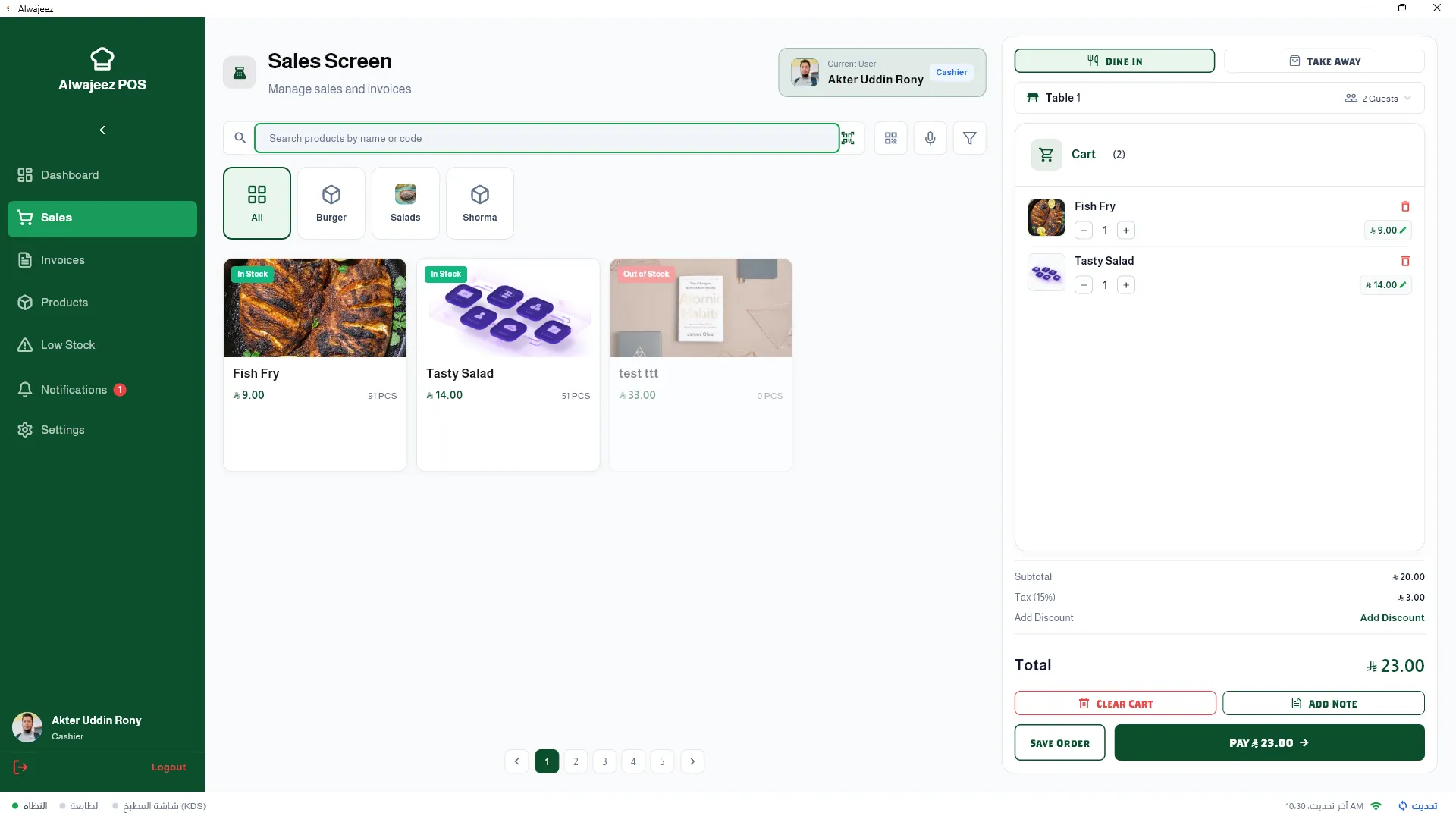
Restaurant POS with Full ERP Integration in Saudi Arabia – Multi-Branch & Accounting
Discover why Saudi restaurants need an ERP-integrated POS system. Learn about ALZERP's multi-branch support, automatic accounting, and ZATCA compliance.